
How to Fill in the Gaps in Your Crop Insurance

Crop insurance is a vital part of any farmer’s risk management plan, protecting against events like extreme weather, pest infestations, crop diseases, fluctuating market prices, and unexpected environmental conditions. However, even with federal support and basic comprehensive coverage, many farmers still face losses due to overlooked gaps in their policies.
These gaps can lead to uncovered input costs, yield loss, or insufficient support when disaster strikes. Allied Ranchers Insurance helps identify and address these weaknesses, so you can operate with confidence throughout the season.

What is Crop Insurance?
Crop insurance is a specialized type of insurance designed to protect farmers and agricultural producers from the financial risks associated with loss or damage. These losses can be caused by a variety of uncontrollable events, such as drought, excessive rainfall, high winds, freezing temperatures, pests, or disease. In some cases, insurance also covers market-related risks, such as falling commodity prices.
There are two main types of insurance:
Yield-Based Insurance
This type covers losses when a farmer’s actual crop yield falls below a certain percentage of their average crop yield due to natural causes.
Revenue-Based Insurance
This protects against a loss in income due to a drop in crop prices, yield shortfalls, or both.
Basically, federal programs under the Risk Management Agency of the USDA support insurance in the U.S. Private companies, such as Allied Ranchers Insurance, administer a customized coverage system based on the location and crop type of the farmer, showing risk. This is for helping achieve financial stability and recovery after losses with comprehensive coverage.
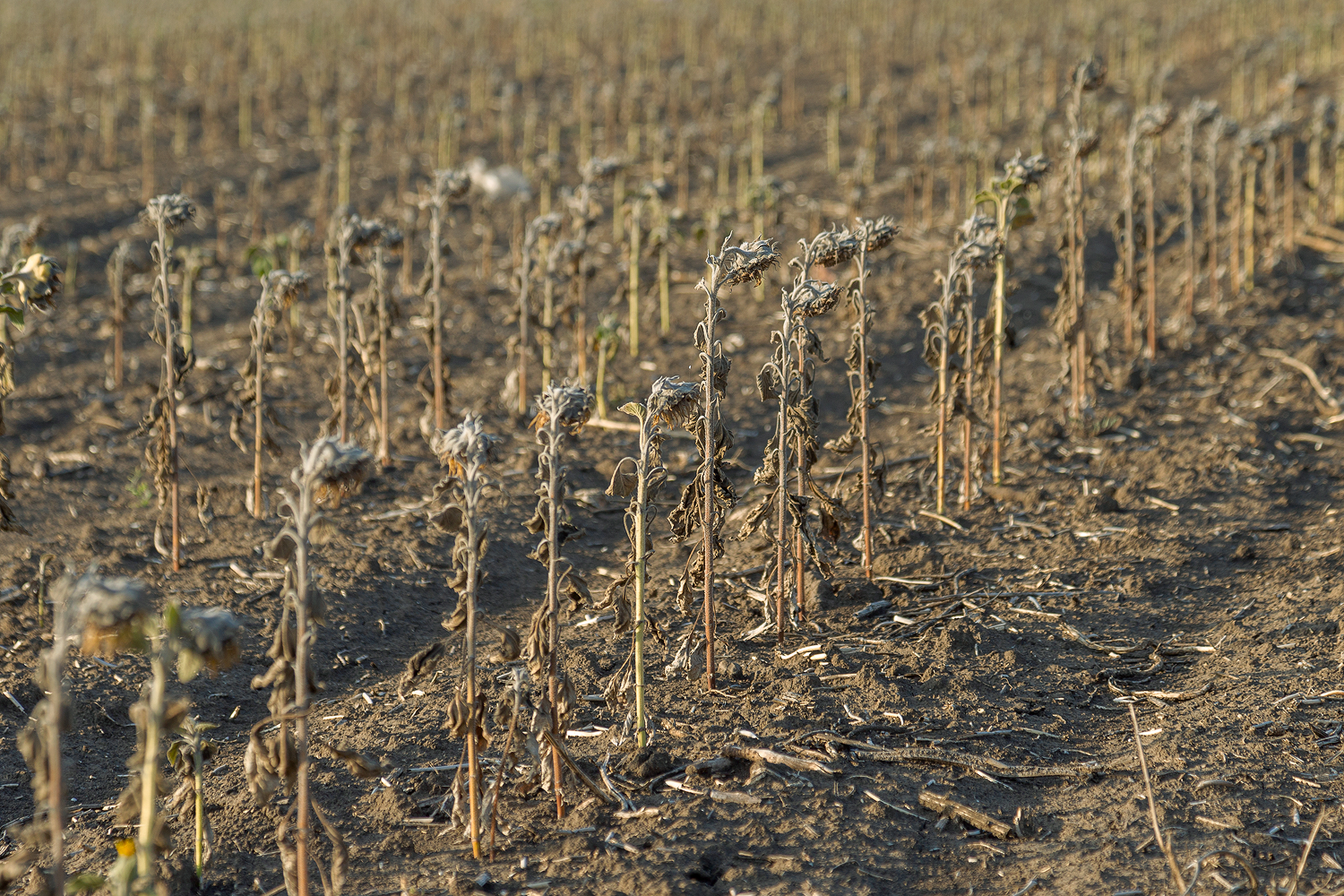
How to Fill in the Gaps in Your Crop Insurance
Even the most comprehensive plans can leave vulnerabilities if not regularly reviewed or customized to your farm’s evolving needs. Gaps often appear when assumptions are made about coverage limits, timing of payouts, or exclusions tied to specific risks like drought or pest outbreaks. Taking a closer look at what’s not covered can help prevent future financial strain and ensure your policy works when you need it most.
Consult with a Crop Insurance Agent
Working with a professional insurance agent like Allied Ranchers Insurance is essential to assess your operation and identify coverage gaps. They can help tailor your policy to match your farm’s specific needs, whether it’s weather-related risks, pest issues, or other unforeseen circumstances. With their expertise, you can ensure your farm is fully protected.
An experienced agent can also help orient you toward federal programs and regulations while ensuring your insurance policy is aligned with your farm’s risk exposure and financial goals. Partnering with the right insurance provider ensures your needs are properly addressed.
Add Supplemental Coverage
Adding extra provisions like crop hail damage insurance, Supplemental Coverage Option (SCO), and Enhanced Coverage Option (ECO) can extend your protection beyond basic coverage. These options are ideal for farmers facing frequent weather-related risks and offer additional protection when disasters strike.
Add-on protection may sometimes incur extra premium cost, but it’s an investment worth making for farmers of higher-risk crops or those located in an unpredictable climate, ensuring sanity in preparedness against disasters.
Insure Individual Crops
By growing diverse types, one can obtain separate insurance, thereby obtaining better coverage. Individual insurance means that higher-risk crops or high-value crops get adequate attention without having to be combined under a single policy.
In this scenario, the specific risks of every crop are addressed rather than depending on average yields. It is a more specialized approach that ensures your insured crop is afforded a good degree of protection based on its unique needs.
Adjust Coverage Levels
Yearly adjustments should be made to coverage levels as conditions change. Based on market prices or environmental changes, with risk exposure on the farm changing, redoing coverage is important in addressing such requirements.
Regular adjustments help ensure you stay protected. If it becomes very necessary, the cover might be increased: perhaps due to higher market prices or decreased when risks are clearly lower. This flexibility ensures maximum optimization of your insurance policy while minimizing the financial impact of having insufficient coverage.
Incorporate a Comprehensive Risk Management Plan
A risk management plan goes beyond insurance; it’s about protecting your farm’s long-term financial health through strategies like diversification and other proactive risk management options. Combining these with insurance creates a strong safety net for your operation.
A holistic approach guarantees long-term financial viability of farms that will assist in recovery from any unforeseen events and continue investing in sustainable practices.
Review Your Farm’s Specific Needs Annually
Every year, you must assess your farm’s needs to determine the current adequacy of your insurance coverage. Prices of commodities, market conditions, and weather conditions all change, making it essential to reevaluate your farm’s risk every year.
By evaluating regularly whether you have sufficient coverage based on the input prices, you can ensure that necessary adjustments will be made, thereby securing the protection and financial well-being of your farm for the coming year.
Strengthen Your Protection with the Right Plan
Filling gaps in your crop insurance isn’t just about avoiding losses; it’s about building a stronger, more reliable operation. By partnering with a trusted insurance provider, adding the right coverage, and adjusting policies as risks change, you can stay protected year-round.
Contact Allied Ranchers Insurance today to create a custom plan that supports your long-term stability and peace of mind.

