
How Annual Forage Insurance Protects Against Drought

Drought is one of the biggest challenges farmers and ranchers face. When rainfall is limited, forage production drops, leading to feed shortages and financial stress. For producers who rely on healthy feed crops to sustain their livestock, an unexpected dry season can quickly disrupt operations.
This is where annual forage insurance comes in. Allied Ranchers Insurance helps farmers and ranchers protect against unpredictable weather, reduce financial risks, and maintain stability.
Contact us to get a custom quote for Annual Forage Insurance today!
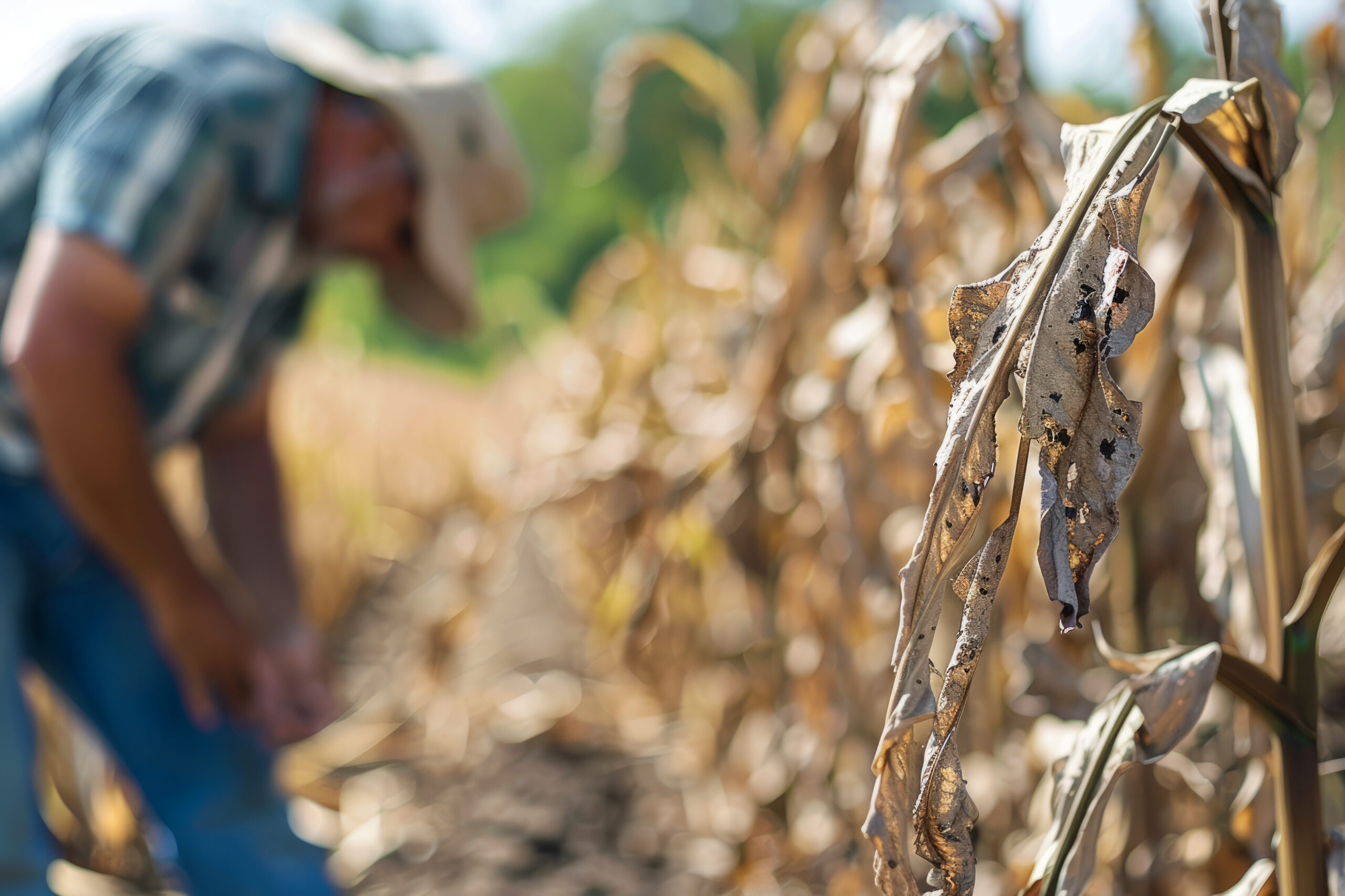
What Is the Annual Forage Policy?
The annual forage insurance policy is a program offered by the USDA’s Risk Management Agency (RMA). It is designed for producers who plant annual forage crops, such as wheat, oats, barley, triticale, or other small grains used for feed.
This policy provides coverage for losses caused by reduced rainfall during specific time periods, ensuring that ranchers and farmers have some financial protection when their forage production suffers.
Key highlights of the policy:
- Covers annual crops planted for livestock feed, haying, grazing, or silage.
- Protects against declines in precipitation that impact growth.
- Uses a Rainfall Index based on NOAA weather data.
- Designed to help ranchers manage feed shortages and offset losses.
If your operation depends on forage to sustain livestock, this program provides a safety net when weather conditions turn against you.
How Does Annual Forage Insurance Work?
Annual Forage Insurance uses a rainfall index to measure precipitation levels in your area. Instead of tracking individual crop conditions, the policy relies on NOAA’s historical weather data to determine coverage and payouts.
Choose Your Coverage Area
Your coverage begins by selecting a specific grid location defined by the Risk Management Agency (RMA). Each grid measures roughly 17×17 miles and is used to track and evaluate rainfall data in your area.
The insurance payouts are determined by the amount of rainfall recorded within your chosen grid, making it important to select a location that accurately represents your grazing or crop area. This ensures that your protection closely matches the weather conditions affecting your crops and livestock.
Select Your Time Periods
After choosing your grid, the next step is to pick two or more index intervals, each lasting two months. These intervals represent the timeframes when rainfall is most crucial for crop growth. For example, if your region relies on early spring rains, you might select March-April as one interval and May-June as another.
By carefully selecting these periods, you can tailor your coverage to match the growing cycles of your forage and ensure you’re protected during the months when dry conditions could have the greatest impact on your production.
Set Your Coverage Level
With your coverage area and time periods set, the next step is to choose your coverage level, which typically ranges from 70% to 90%. A higher coverage level provides stronger financial protection if rainfall is below expectations but comes with a higher premium cost.
On the other hand, lower coverage levels are more affordable but provide less compensation during dry periods. Finding the right balance depends on your budget, your risk tolerance, and the specific needs of your operation.
Determine Payouts
The payout process is straightforward. If the rainfall recorded in your chosen grid falls below the coverage level you selected during a specific interval, the policy automatically triggers a payment. You don’t need to file a claim or provide proof of crop damage – everything is based on verified rainfall data from trusted weather monitoring sources.
This makes the process transparent, efficient, and stress-free, helping you recover losses quickly so you can focus on maintaining your operations.
How Annual Forage Insurance Protects Against Drought
Drought has become increasingly unpredictable and severe, posing major challenges for farmers and ranchers. Reduced rainfall not only affects forage availability but can also lead to increased feed costs and long-term operational strain.
Here’s how annual forage insurance protects against drought-related losses:
Stabilizes Income
Even when pasture or crop yields decline due to limited rainfall, insurance payouts from annual forage insurance help offset potential financial losses. These payments can cover the cost of purchasing additional feed or replacing lost production, ensuring your revenue remains steady even during challenging seasons.
By maintaining income stability, producers can continue managing operational expenses without taking on significant debt.
Supports Livestock Nutrition
Dry conditions often lead to limited pasture access and reduced availability of natural feed sources. Annual Forage Insurance helps ranchers offset the cost of supplemental feed, ensuring that herds continue receiving proper nutrition despite shortages.
This protection allows producers to sustain animal health, productivity, and weight during droughts, preventing long-term negative effects on overall herd performance.
Reduces Financial Stress
Drought can create a significant financial burden on farming and ranching operations. Rising feed costs, lower yields, and unpredictable weather patterns often force producers to make difficult decisions. With the security of an insurance payout, you can reduce the economic strain caused by extreme conditions.
This safety net enables you to focus on long-term growth strategies rather than worrying about short-term losses.
Encourages Risk Management
Annual forage insurance works hand-in-hand with Pasture, Rangeland, and Forage (PRF) insurance programs to provide farmers with a more comprehensive protection plan. By combining these strategies, producers can better prepare for rainfall fluctuations, protect livestock, and sustain operations through unpredictable climate patterns.
With this support, producers can better plan for future investments, maintain livestock health, and protect their business against climate-related uncertainties.
This protection is especially valuable for areas that regularly face rainfall fluctuations and drought conditions. By securing your operation, you can plan for growth with confidence.

Secure Your Farm’s Future Today!
Unpredictable weather and prolonged droughts can heavily impact farmers and ranchers who rely on healthy crops. Annual forage insurance offers a safety net by protecting income, supporting livestock nutrition, and reducing financial risks. With coverage from the USDA’s Risk Management Agency, you can keep your operation stable and resilient.
Don’t leave your farm or ranch exposed to drought’s effects. Protect your livelihood today – contact us at Allied Ranchers Insurance to explore your options and find the right coverage for your needs.
