
Benefits of Annual Forage Insurance

The unpredictability of the weather is a constant threat in agriculture. Whether you’re grazing livestock or harvesting hay, a single dry season can upend your entire operations, making protection of your forage crops essential. That’s where annual forage insurance can help you. It provides a solution to cushion any financial loss you might incur from issues with your forage crops caused by insufficient rainfall.
Contact Allied Ranchers Insurance to learn more, explore annual forage insurance options, and get customized insurance solutions for your needs.
What is Annual Forage Insurance?
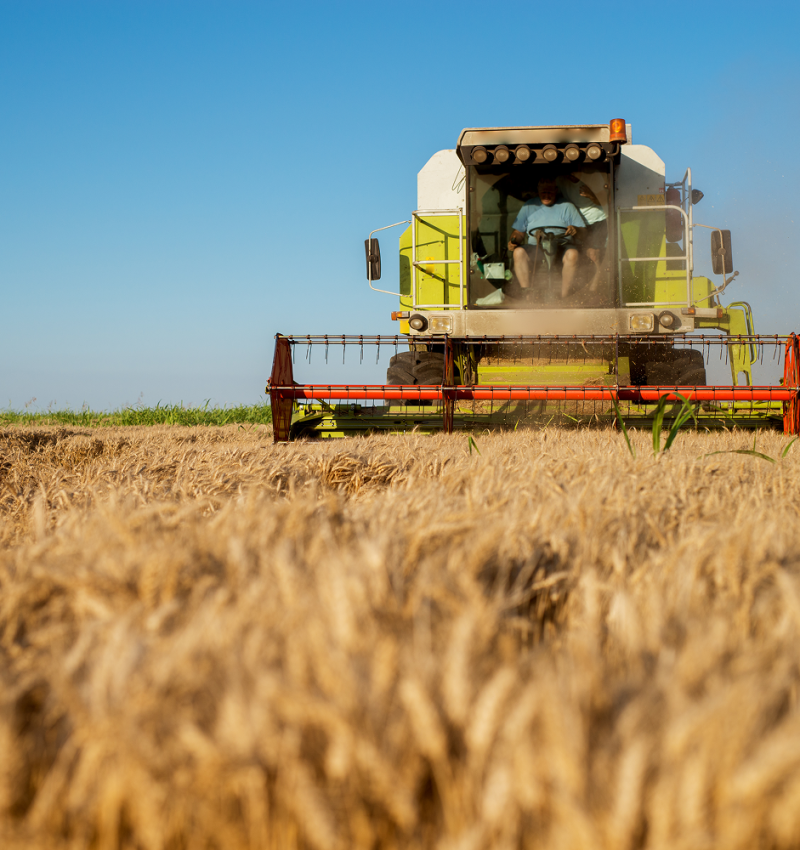
Annual forage insurance is a crop insurance subsidized by the USDA that protects livestock producers and forage growers from losses due to lack of precipitation on annual forage crops. This covers hay, pasture, and silage used for feeding livestock like cows and sheep. This insurance does not cover those grown for commercial grain or seed production.
Instead of checking each farm individually, financial losses are determined using a rainfall index based on historical precipitation data from NOAA’s Climate Prediction Center. Coverage is tied to specific grid areas rather than individual farm conditions. If the rainfall in your grid falls below a producer’s selected coverage value during their chosen two-month intervals within a 7-month growing season, the policy pays out the indemnity payments based on the shortfall, adjusted by a productivity factor reflecting the land’s output potential, after the insured interval.
Premiums are subsidized at 51% to 59%, depending on the coverage level. The policy is available in Texas, Oklahoma, Kansas, Nebraska, New Mexico, Colorado, North Dakota, and South Dakota, with specific planting and acreage deadlines. Livestock and forage producers must work with approved insurance agents, like Allied Ranchers Insurance, to enroll.
What Are the Benefits of Annual Forage Insurance?
Annual forage insurance provides livestock producers and forage growers with several advantages to manage the risks associated with variable precipitation. These benefits include:
Financial Protection Against Drought
Annual forage insurance offers coverage against income losses due to lack of rainfall that affects the production of forage crops like hay, silage, or pasture used for grazing. By providing financial compensation when precipitation falls below expected levels, farmers can maintain income stability even with the expense of purchasing additional feed during challenging growing seasons.
Objective Risk Assessment
The program utilizes a rainfall index based on data from the National Oceanic and Atmospheric Administration (NOAA) to determine coverage. This objective measure eliminates the need for individual farm assessments, streamlining the claims process and ensuring timely support when precipitation falls below the average rainfall in the area.
Subsidized Premiums
To enhance affordability, the federal government subsidizes a portion of the premium costs for the insurance policy. The subsidy percentage varies depending on the selected coverage level. For example, a 90% coverage level received a 51% subsidy, while an 85% coverage level received a 59% subsidy.
However, it’s important to note that premium subsidy percentages can vary based on specific policy details and regional considerations. Producers should consult a qualified crop insurance agent, like Allied Ranchers Insurance, to understand the exact terms applicable to their situation.
Flexible Coverage Options
Annual forage insurance allows producers to tailor their coverage to match their specific needs. Options include selecting coverage levels between 70% and 90% of the expected rainfall, choosing productivity factors from 60% to 150%, and designating specific two-month intervals that align with critical growing periods. This flexibility ensures that the insurance aligns closely with individual operational requirements.
Timely Indemnity Payments
If precipitation during the insured intervals falls below the selected trigger level, indemnity payments are issued promptly after the interval concludes. These timely funds are crucial for purchasing additional feed or covering other expenses, supporting cash flow during periods of reduced forage availability.
Broad Program Availability
This drought insurance on annual forage crops is available in key agricultural states, including Texas, Oklahoma, Nebraska, North Dakota, and South Dakota. This widespread availability ensures that producers in regions prone to variable weather conditions have access to this risk management tool.
Complementary to Other Risk Management Programs
This insurance policy can be used in conjunction with other USDA risk management tools, like the Pasture, Rangeland, Forage (PRF) insurance program. By integrating multiple programs, producers can achieve more comprehensive coverage tailored to different aspects of their forage operations or livestock production.
Who Qualifies for Annual Forage Insurance?
Annual forage insurance assists producers who plant annual forage crops for livestock feed. Eligibility depends on the type of crops grown, their intended use, and the location of the operation.
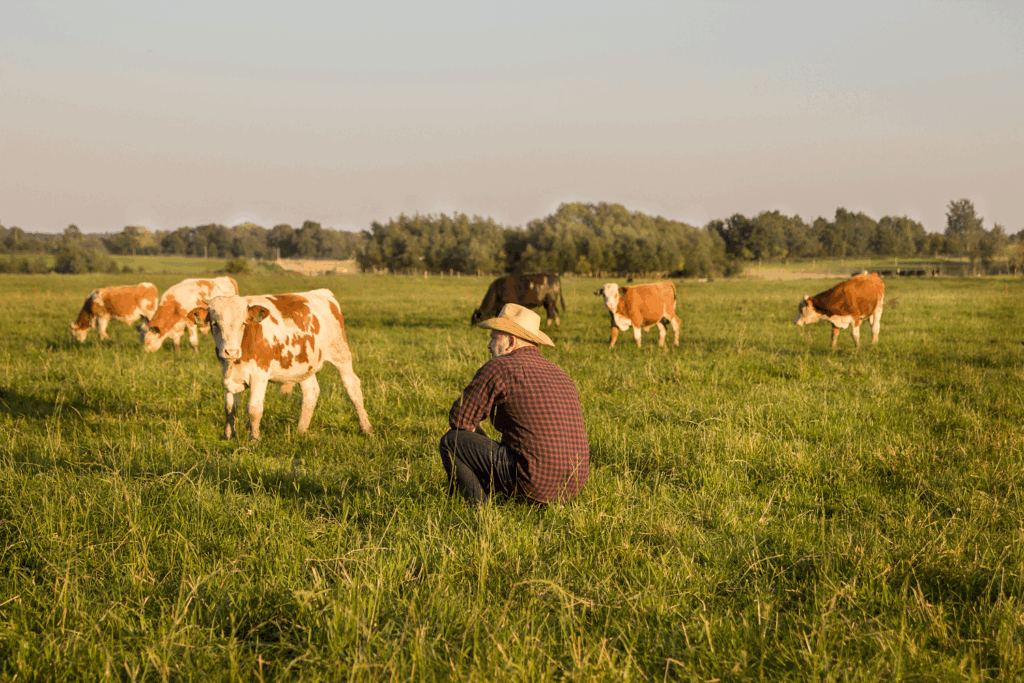
Farmers and ranchers who grow annual forage crops, like hay, silage, or pasture, for feeding cattle, sheep, goats, or other livestock can qualify for annual forage insurance.
Producers who cultivate annual crops for livestock feed, not commercial grain or seed production, are eligible.
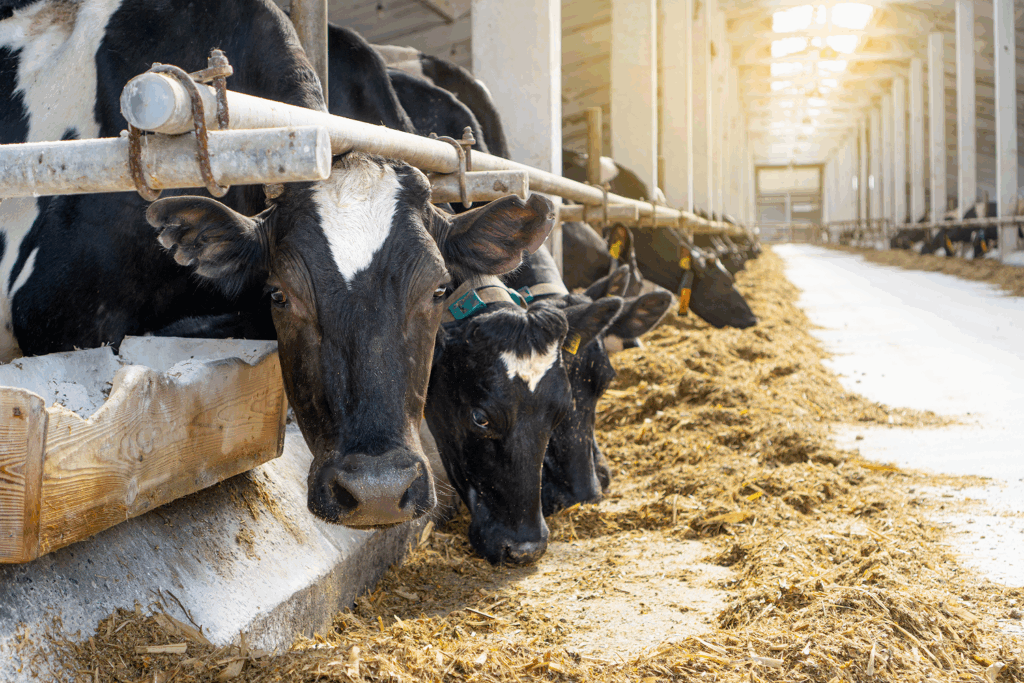
The scalability of annual forage insurance makes it suitable for both small-scale and large-scale producers who rely on annual forage for their livestock or market sales.
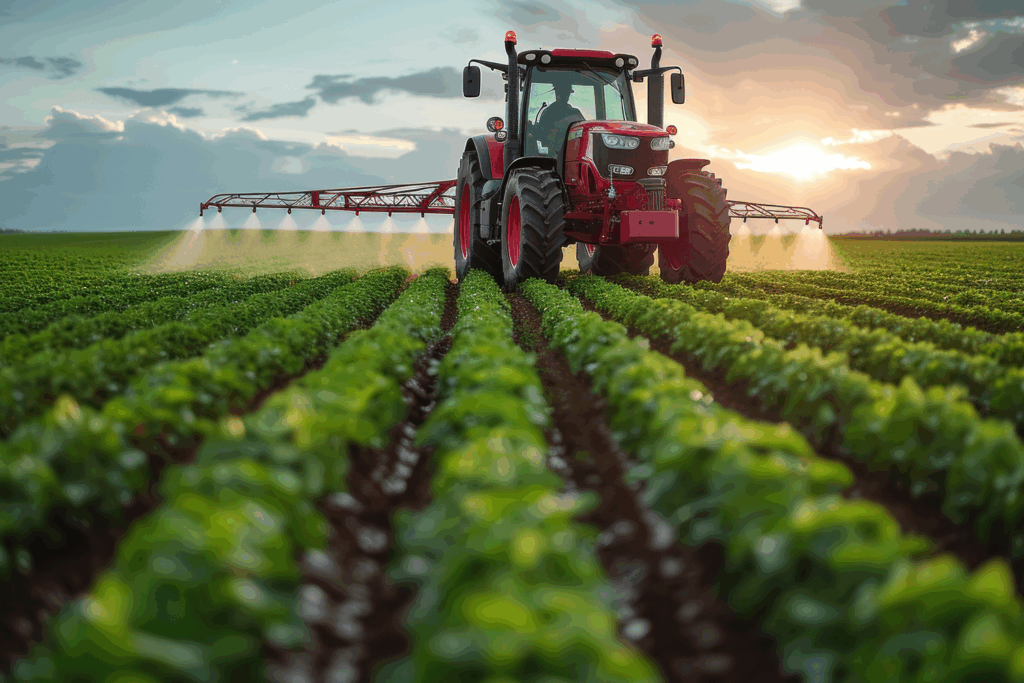
Dual Use Operations
Producers in select counties of Colorado, Kansas, Nebraska, New Mexico, Oklahoma, and Texas who grow small grains for both grazing and grain harvest may qualify for the Dual Use Option of the policy. This allows them to ensure the same crop under both an annual forage insurance coverage and a multi-peril small grains policy for grain. Eligibility depends on county-specific provisions and adherence to good farming practices.
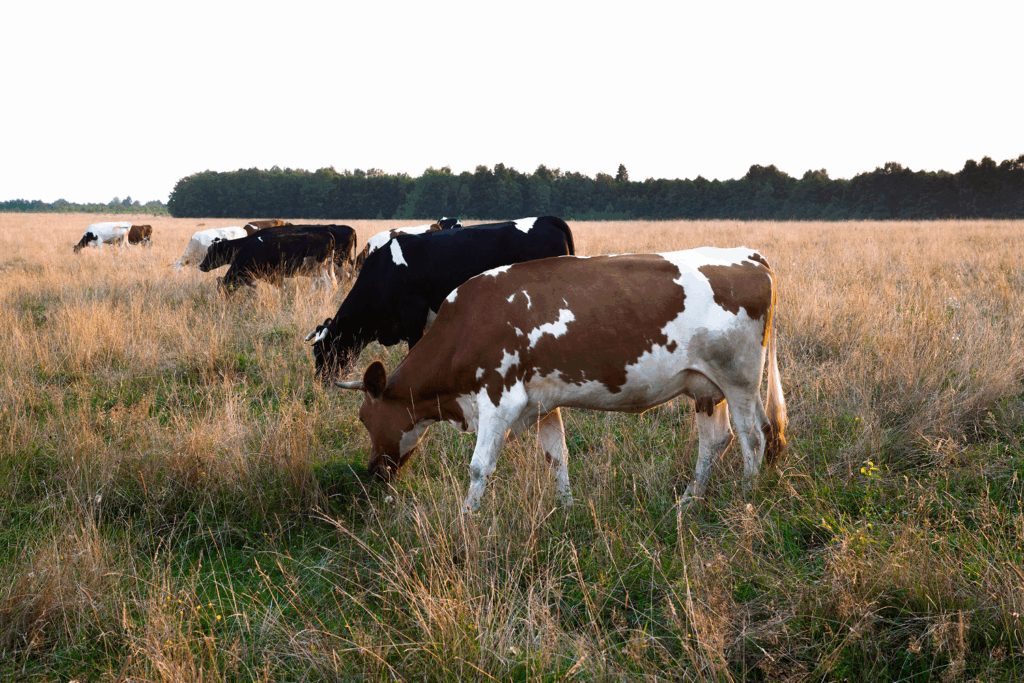
Annual forage insurance is available to forage growers and livestock producers operating in the following states:
- Colorado
- Kansas
- Nebraska
- New Mexico
- North Dakota
- Oklahoma
- South Dakota
- Texas
These states are part of the USDA’s pilot program for this policy. For more detailed information on county-level availability and specific policy details, you can consult our team here at Allied Ranchers Insurance.
Guard Your Livelihood from Drought with Annual Forage Insurance
Drought doesn’t just dry up your fields. It also threatens your entire operation.
When there’s not enough rainfall, forage yields decline and feed costs soar, placing your financial stability at risk. The annual forage insurance program offers a proactive solution to these challenges. Thanks to subsidized premiums, it is an affordable risk management measure for your business as a livestock or forage producer.
Don’t wait until drought affects your operation. Take control and secure forage production for your business. Reach out to Allied Ranchers Insurance at (402) 371-0405 to learn more about how annual forage insurance can protect your livelihood.
