
Understanding the Rainfall Index

Understanding weather patterns is essential for anyone in agriculture. One of the most valuable tools available today is the Rainfall Index (RI)—a data-based way to track how much rain falls in a specific area over time. For farmers and ranchers, this information can make a big difference in planning for grazing, hay production, feed decisions, and overall risk management.
Allied Ranchers Insurance will help you explore the Rainfall Index, how it’s calculated, and the many ways it can be used to support smarter decisions on the farm or ranch.
What is the Rainfall Index?
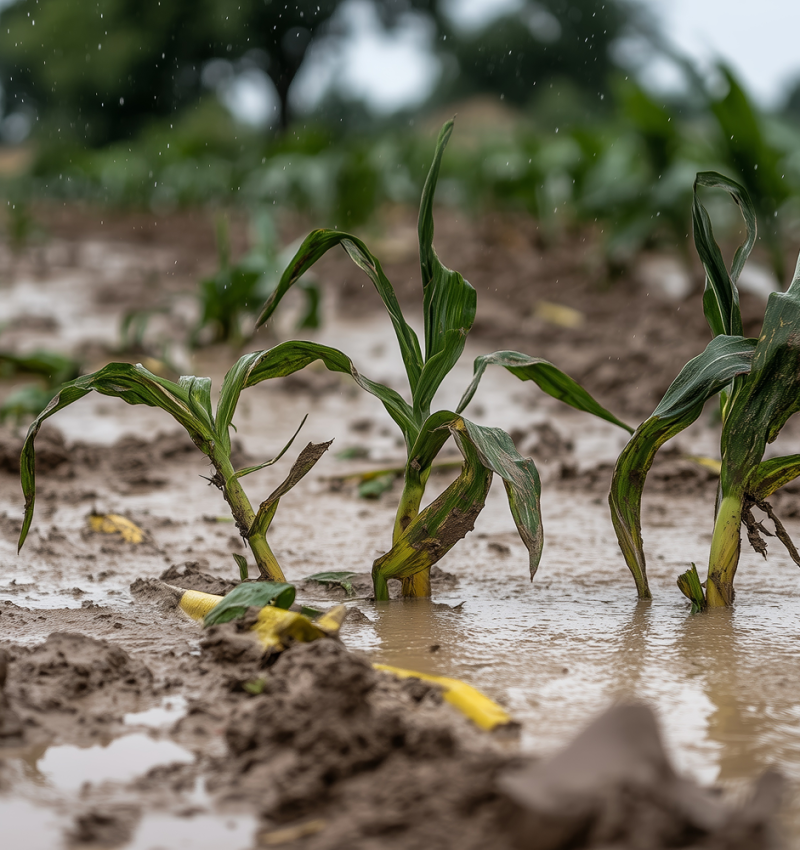
The Rainfall Index (RI) is a standardized measure developed by NOAA (National Oceanic and Atmospheric Administration) to assess how current precipitation levels compare to historical norms for a specific region and period. By evaluating deviations from average rainfall, the RI offers a clear picture of moisture conditions, which is crucial for agricultural producers monitoring forage yield variation and pasture health.
Unlike localized weather reports, the RI provides a broader perspective by aggregating data over defined geographic grids, enabling farmers and ranchers to understand regional precipitation trends. This insight helps farmers and ranchers anticipate potential challenges related to drought or excessive moisture in the soil, allowing for more informed decision-making in agricultural operations.
How is the Rainfall Index Calculated?
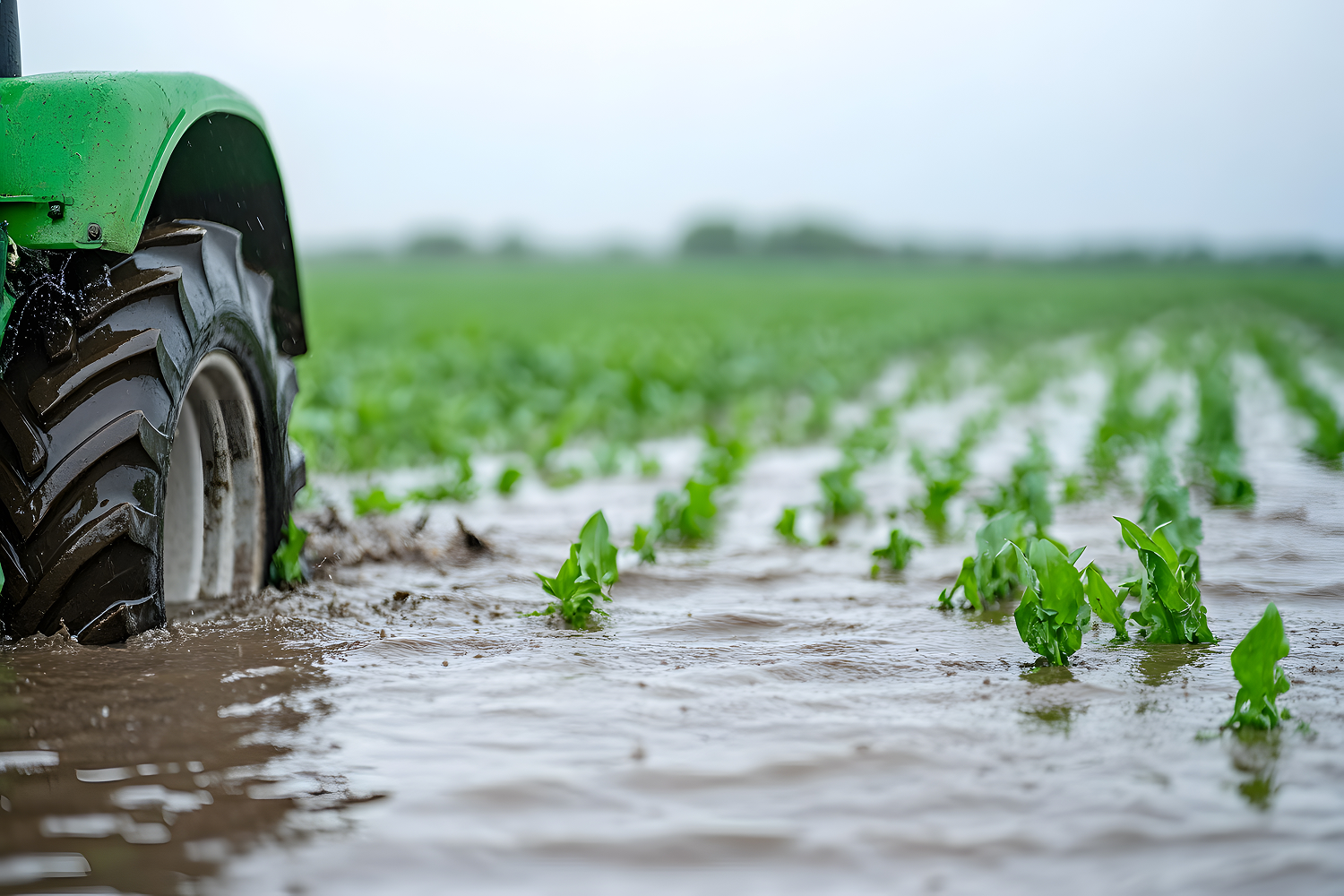
The Rainfall Index compares current rainfall in a specific area to the long-term average for the same period. To calculate it, NOAA divides the U.S. into grid cells, each about 17 miles wide. For each grid, they gather rainfall data over 2-month intervals, which are compared to historical averages from 1948 onwards.
The RI is expressed as a percentage: 100% means rainfall is average; below 100% indicates less rain than usual; above 100% means more rain than average. This helps farmers and ranchers understand how actual rainfall compares to typical patterns of historical rainfall, aiding in decisions about grazing, planting, and water management.

Why the Rainfall Index Matters for Farmers and Ranchers
The Rainfall Index is a crucial tool for farmers and ranchers, offering insights into precipitation patterns that can inform various aspects of agricultural management. By comparing current rainfall data to historical averages, the RI helps producers anticipate forage availability and make informed decisions to maintain livestock health.
Beyond operational planning, the RI plays a significant role in risk management strategies. For instance, the USDA’s Pasture, Rangeland, and Forage or PRF insurance program utilizes the RI to determine coverage levels and payouts. When rainfall in a specific grid falls below the long-term average during a selected 2-month interval, eligible producers may receive indemnity payments to offset the cost of purchasing supplemental feed or other related expenses.
Applications of the Rainfall Index
Understanding and using the Rainfall Index gives agricultural producers a practical edge. It turns complex climate data into actionable insights, helping them respond to shifting conditions before problems arise. Whether you’re managing grazing land or planning seasonal forage production, the RI offers a reliable foundation for making timely, informed choices.
Forage Management
Farmers, ranchers, and forage producers utilize the RI to monitor rainfall patterns, aiding in decisions related to grazing schedules, hay production, and supplemental feeding. By comparing current rainfall data to historical averages, they can anticipate forage production and make informed and optimal choices for maintaining livestock health or producing livestock feed.
Risk Mitigation Through Insurance
The Rainfall Index is a key factor used by several USDA insurance programs to help protect farmers and ranchers against financial losses caused by drought or below-average rainfall. By tracking rainfall amounts over specific periods and locations, these programs use the RI to determine eligibility for insurance payouts. When rainfall falls short of the expected levels, producers may receive compensation to help cover costs such as supplemental feed or other expenses related to poor forage growth. This use of the RI helps reduce the economic impact of unpredictable weather, providing a safety net that supports the stability and resilience of agricultural operations.
Strategic Planning
Beyond immediate operational decisions, the RI aids in long-term strategic planning. By analyzing rainfall patterns over time, producers can make informed choices about crop selection, irrigation investments, and resource allocation, enhancing the resilience and sustainability of their agricultural operations.
Insurance Policies Utilizing the Rainfall Index
The Rainfall Index plays an important role in several USDA insurance programs designed to help agricultural producers manage risks caused by insufficient rainfall. These policies use the RI as an objective way to measure rainfall levels and trigger indemnity payments on the applicable coverage when rainfall goes below a set threshold.
Pasture, Rangeland, and Forage or PRF Insurance
This is the primary insurance program for livestock producers who rely on pasture and forage for grazing. The PRF insurance uses the RI to monitor rainfall over selected two-month intervals in a producer’s county or grid area. When rainfall is significantly below average, the policy pays indemnities to help cover costs such as purchasing supplemental feed or other expenses resulting from forage shortages.

Annual Forage (AF) Insurance
The annual forage insurance covers losses on annual forage crops like hay or silage planted and harvested within the same year. It uses rainfall data to assess drought impact during the growing season, helping producers manage risk from insufficient moisture that reduces forage yield. This coverage is especially valuable for livestock farmers, forage producers, and diversified operations that rely on timely and adequate forage production for feed.

Apiculture (API) Insurance
The API, or Apiculture Insurance, supports beekeepers by providing coverage related to honey production losses and colony health. Since rainfall has a significant effect on forage yield variation and nectar flow, the RI is used to evaluate drought risk that can affect honey yields and bee colonies’ sustainability.
These programs use the Rainfall Index as a straightforward and data-driven way to quantify a lack of precipitation, offering a financial safety net to producers facing drought or below-average precipitation conditions. This helps safeguard agricultural operations from unpredictable weather impacts and supports long-term stability.
Secure Your Operation with Confidence
In agriculture, uncertainty is a constant. Allied Ranchers Insurance offers tailored insurance solutions to help you navigate the challenges that uncertainty brings. From crop and livestock coverage to property and liability protection, we’re here to support your operation’s resilience and yields.
Contact us today at (402) 371-0405 to learn more about the coverage options we offer and other ways we can assist you.
