



Revenue Protection vs. Yield Protection
When it comes to protecting the income of farms, choosing the right crop insurance plan is important. Revenue Protection (RP) and Yield Protection (YP) are two types of crop insurance that are quite popular through the USDA Risk Management Agency (RMA). They may sound similar, but these two policy types cover different risks and adequately address certain needs depending on your risk management strategies.
At Allied Ranchers Insurance, we help crop producers understand the complex claims of the plan of insurance. We discuss the primary difference between RP and YP, when each is advisable, and how to select the one that most suits your operation’s goals, level of coverage, and financial protection needs.
What Is Yield Protection?
Yield Protection is a federally subsidized yield insurance policy that protects farmers against yield loss caused by natural disasters beyond their control.
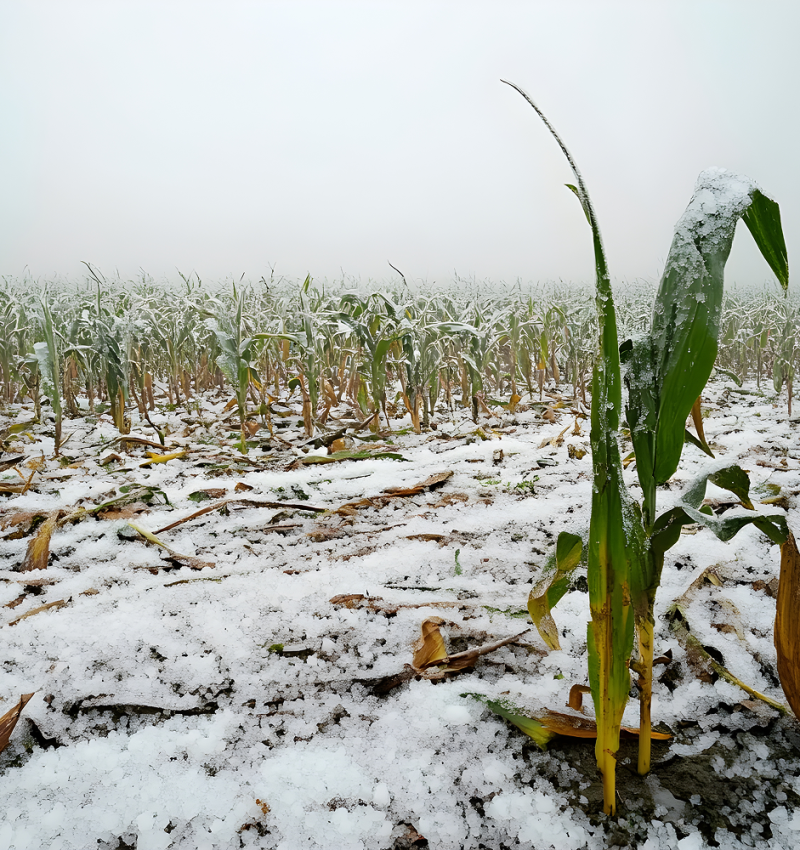
Examples of these risks include extreme heat, early freezes, excessive rainfall, hailstorms, pest outbreaks, and other severe weather events that can drastically reduce crop yields. It’s one of the most valuable risk management tools in a farmer’s arsenal, helping ensure a consistent harvest regardless of unpredictable environmental conditions.
Unlike Revenue Protection, Yield Protection is not a revenue insurance policy. The word shortfall does not imply what is brought in by the commodity, but the total production tons reduced when one harvest is less than the actual yield based on the farm units.
You are thus compensated for the amount not produced; therefore, if your actual production history (APH) or average historic yield is lower than what you might have produced, your crop fails, resulting in revenue losses if not paired with other risk management options.
Key Features of Yield Protection:
- Covers yield loss only (not market price fluctuations)
- Based on your farm’s historical average yield (APH)
- Uses a projected price set by the RMA at the beginning of the season
- Ideal for farmers focused on stabilizing physical production
Yield Protection offers a simple yet powerful safety net, especially for growers in areas with unpredictable weather patterns. For many, it serves as an important tool in managing the risks of anything that would hinder a successful harvest.
What Is Revenue Protection?
Revenue Protection (RP) is an all-inclusive plan of insurance in which two-fold protection occurs – an income loss caused by actual yield shortfalls and that due to crop prices fluctuation. It is favored among American farmers to ensure guaranteed revenue with the understanding that a farmer may experience shortfalls through poor crop yields or falling commodity prices, or both.
Under Revenue Protection, the two common and unpredictable threats in farming – yield loss due to weather and fluctuating markets – are covered. For example, here is a situation when your crop has matured fully, and yet before you are able to sell, the harvest prices crash; this is when RP helps you out in recovering the actual revenues you expected at the beginning of the season.
The RP is more fluid than Yield Protection, especially in times of unstable markets or areas subject to both environmental risk and crop prices shifts. RP is an excellent choice when you’re looking for a higher protection level that adjusts to market swings and crop results, including a potential price increase at harvest.
Key Features of Revenue Protection:
- Covers both yield and price fluctuations
- Uses two prices: projected price (set at planting) and harvest price (set at harvest)
- Pays based on the higher of the two, providing added security
- Especially useful for market-sensitive crops like corn, soybeans, and wheat
By combining yield protection with market price support, Revenue Protection offers a broader, more responsive safety net. It’s an ideal choice for producers who are concerned not only with how much they grow, but also with how much they’ll earn for it.
How to Decide Between Yield Protection vs. Revenue Protection
Deciding between Yield Protection (YP) and Revenue Protection (RP) comes down to understanding your farm’s risks, financial goals, and risk management strategies. Here are key factors to consider when deciding which types of policies are more appropriate for your operation:

1. Understand Your Risk Exposure
If your primary concern is loss of yield due to weather, pests, or disease, Yield Protection may be enough. However, if you're also concerned about falling crop prices, Revenue Protection provides broader coverage that helps safeguard both your yield and income using a higher coverage level.

2. Evaluate Your Crop Type
Crops such as corn, soybeans, and wheat that are considered market-sensitive are often affected by price fluctuations; in such cases, Revenue Protection would be the better consideration. On crops with more stable pricing, Yield Protection may offer a sufficient level of coverage without the added premium cost of RP.

3. Look at Your Marketing Strategy
Farmers who forward contract most of their crops may find Yield Protection sufficient since their prices are already fixed. Revenue Protection, however, offers protection against loss in revenue on declining commodity prices if one sells at the market price after harvest.

4. Review Your Financial Goals and Cash Flow Needs
If steady income is vital for repaying loans or covering the cost of production, this is where RP excels in securing your average revenue. On the contrary, farmers with a strong financial base may prefer YP to lower their premium cost.

5. Consider Your Budget for Premiums
Yield Protection typically costs less than Revenue Protection. If minimizing expenses is a top concern, YP could be a better fit. RP may come at a higher premium but provides a more comprehensive safety net, especially during unpredictable seasons.

6. Talk to a Crop Insurance Expert
Due to the wide variation of insurance needs by farm, a crop insurance expert will explore your historical yields, marketing plans, and risk appetites to formulate the best policy for you. Here at Allied Ranchers Insurance, we take great pride in helping farmers get the best protection plan for their specific operation.

How Does the RMA Determine Prices?
Both Revenue Protection and Yield Protection rely on price projections provided by the USDA’s Risk Management Agency (RMA). These prices are calculated using average commodity futures prices during specific months:
Projected Price
Based on market prices during the planting season
Harvest Price
Based on market prices during harvest season (RP only)
This ensures that your insurance coverage reflects actual market conditions during the most critical parts of the season.
Ready to Protect Your Operation?
Choosing between Revenue Protection and Yield Protection is a crucial decision that impacts your farm’s profitability. The right types of policies will protect you from adverse weather, falling crop prices, and loss of yield, ensuring peace of mind throughout the growing season with the correct coverage level.
At Allied Ranchers Insurance, we understand the needs of every crop producer. Let us help you design a custom crop insurance plan, whether you’re looking for stronger yield coverage, a comprehensive revenue guarantee, or a reliable risk management tool to protect against both poor crop yields and market shifts.
Contact us today for a detailed quote and to secure your farm’s future.